I know it’s easy to rip on director Zack Snyder‘s films. I’ve done it plenty of times myself—the less said about his DC Comics movies the better. Still, I’d be lying if I didn’t admit to a major soft spot for his 2011 fantasy-action extravaganza Sucker Punch. With this one, it’s like Snyder harnessed all of his worst tendencies into something that, miraculously, actually works. There’s ridiculously over the top action aplenty, but it’s meant to be ridiculous and remind us of video games. There’s an unreality to it all, which makes sense given that most of it only exists inside the mind of one of the characters, but within this unreality Snyder and crew create something that feels tangible (even with all of the CGI effects).

Sucker Punch is about a group of young women confined to an asylum in an unspecified era: Baby Doll (Emily Browning), Sweet Pea (Abbie Cornish), Rocket (Jenna Malone), Blondie (Vanessa Hudgens), and Amber (Jamie Chung). One or more of the women creates elaborate fantasy worlds in their mind(s) as coping mechanisms for surviving the asylum. The girls are mistreated and abused by a sadistic orderly named Blue Jones, chillingly played by Oscar Issac. In the main fantasy world, the girls are burlesque strippers/sex slaves who Blue pimps out to various wealthy and powerful guests. There are other levels of fantasties in the film as well, including one resembling an ultra-violent video game, with the girls assuming action hero poses and battling various monsters (stand-ins for Blue and his creepy patrons?) in ludicrously over the top fight sequences. It’s all sort of insane, but if you watch the film a few times, there’s a weird dream logic to these layers of fantasy worlds. Plus, there’s no denying it’s just a heck of a lot of fun to watch the women flip and kick and punch and shoot their way out one jam after another.
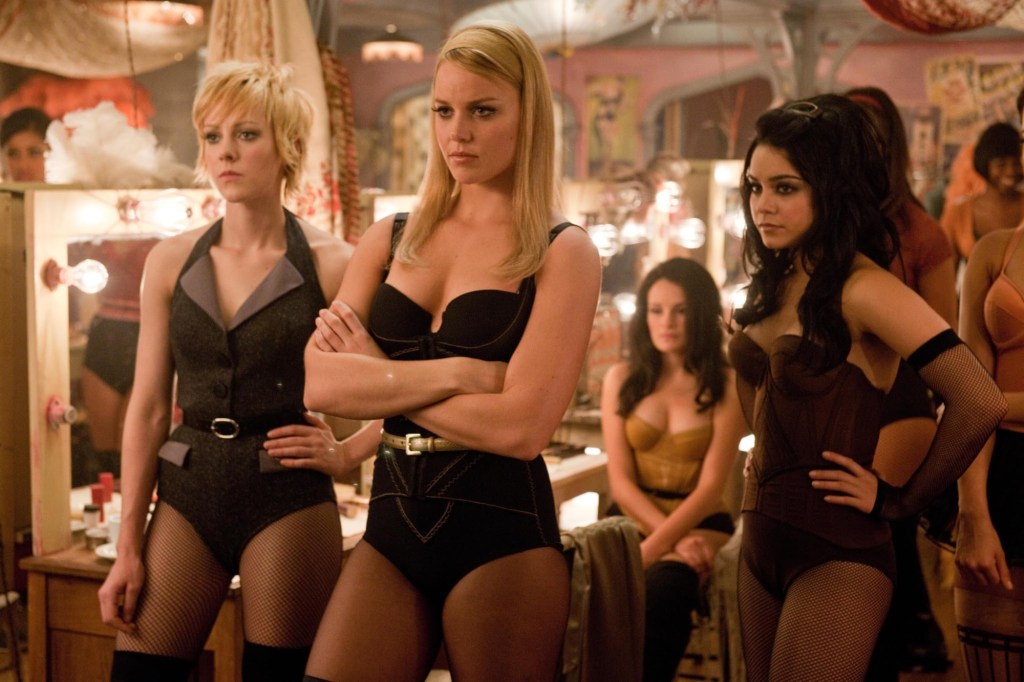
Everyone’s viewing experience is subjective, but we can at least agree that the majority of Sucker Punch consists of the delusional fantasies of one (or more) of the protagonists. It seems likely that the fantasies belong to the procelain-skinned Baby Doll, the first main character we meet, and who seems to be operating as the point of view character. But there are other interesting readings of the film that posit Sweet Pea as our POV character, some theorizing that Baby Doll is a manifestation of Sweet Pea’s subconscious, or that the fantasties are Sweet Pea’s and a very real Baby Doll is simply the impetus for Sweet Pea’s decision to escape the torturous asylum. Again, it’s all subjective, and I think that’s part of what makes for a fun watch. You can make any of these theories work, and frankly it doesn’t really matter anyway because utltimately the film is about overcoming trauma and seeking freedom through the power of imagination.

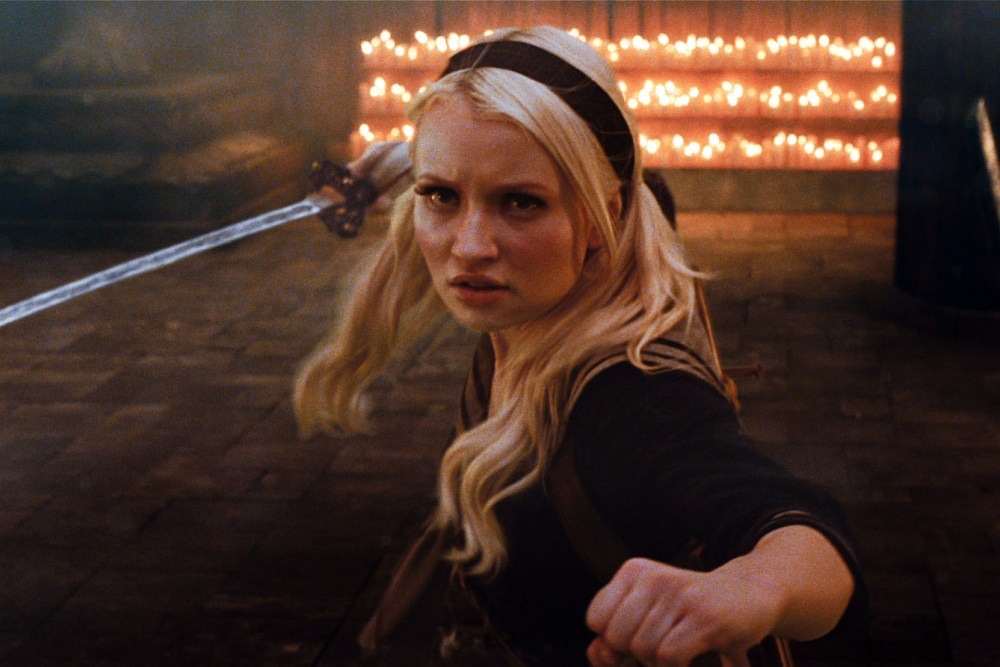
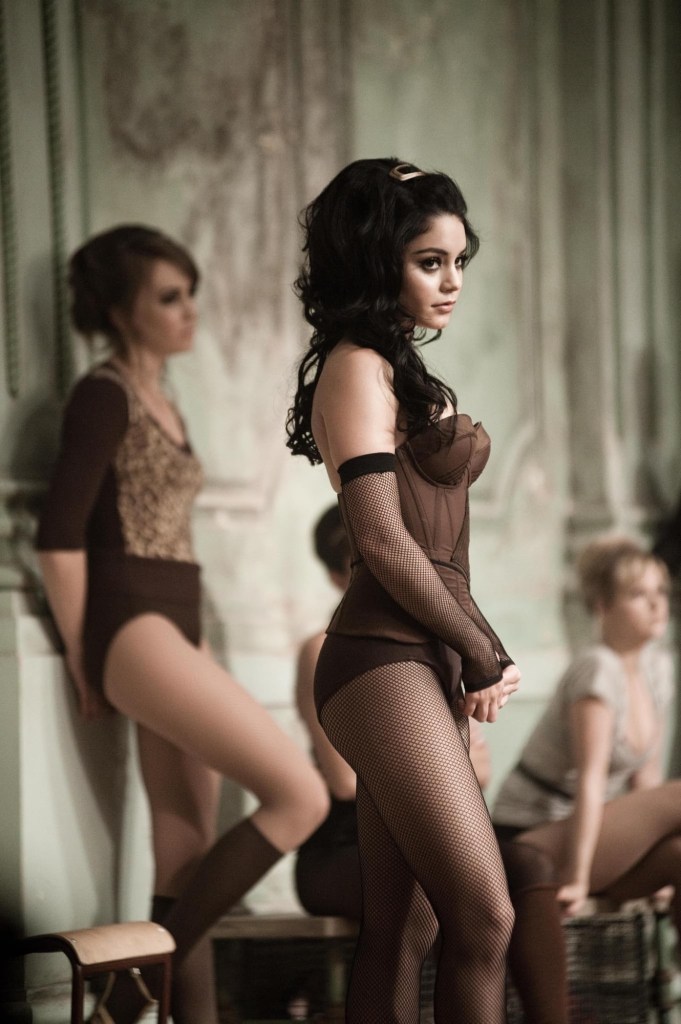
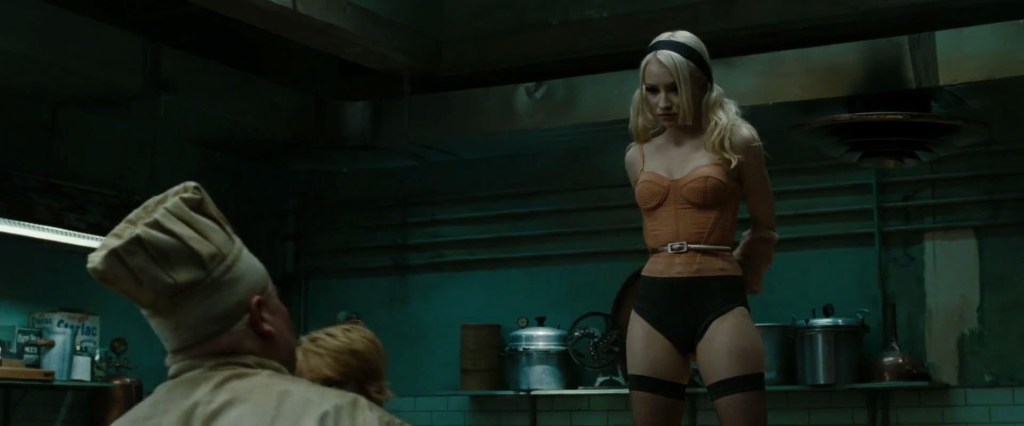
The sets and costume designs are grand, reminiscent of the elaborate caberet aesthetic of Moulin Rouge. Emily Browning looks particularly fetching in Baby Doll’s action hero costume, consisting of a pleated miniskirt, thigh high tights, and chunky heels. Fishnets, garters, and lingerie abound, and anyone with eyes would have to admit that watching Browning, Cornish, Malone, Hudgens, and Chung all dolled up in those fishnets, garters, and lingerie is certainly a worthy selling point for the film. It’s very much a visually oriented film experience, where the way it looks takes precedent. But the heart of the film is actually the women’s fight for survival, which ends tragically in some cases. I never really expect to feel things during a Zack Snyder movie, but I must admit that Sucker Punch has always managed to bolster its gonzo action scenes with some emotional heft, thanks to the plight of its main characters. It sucker punches me right in the feels, you might say.






 The Starfire Lounge