In which we remember Nicole Kidman’s white hot ascension in 1995.

Nicole Kidman has been “Nicole Kidman” for so long now in the public consciousness that we’ve come to take her extraordinary commitment to screen acting for granted. A recent film of hers, Babygirl is a reminder of just how far she’ll go to commit to a role, playing a high-powered CEO involved in a torrid affair with a younger intern in which she’s willingly submissive to his sexual dominance. Probably more so than any other big-name actress, Nicole has no compunctions in tackling complex roles. One of her earliest and most acclaimed was in Dead Calm (1989). Playing a wife abducted by a maniac out at sea, she relents to her captor by having sex with him to stall for time—and achieves an orgasm in the process. Complex stuff. She’s been pushing the envelope onscreen for a long time, but thirty years ago, in 1995, she coalesced all of that early-career promise and into becoming both a genuine movie star and a dominant, award-winning actress.

The last time I really wrote about Kidman here was waaaaay back in 2020, smackdab in the early days of a global lockdown and just about two months into this blog’s existence. I gushed about how Nicole’s breathy, oversexed psychologist Dr. Chase Meridian, whose insatiable lusting after Batman is a sight to behold, remains the “most delectable treasure” from Batman Forever (1995). I’ve been lowkey obsessed with Nicole as Chase ever since I first saw the film in the theater in ‘95. In that old post, I reminisced about staring “rapturously whenever [Nicole] appeared onscreen.” The always-aroused Chase Meridian wasn’t Kidman’s only memorable—and scorching hot—screen appearance that year. Her other starring role in ‘95 has largely overshadowed her delicious turn in the campy Batman Forever. That’s because in many ways her role in that other ‘95 film, To Die For, might be the best performance of her entire career.

Choosing a best Nicole Kidman performance is nearly impossible, of course, as she’s gifted us with so many memorable roles. Where does one begin? Certainly, though, her work as Suzanne Stone Maretto in Gus Van Sant’s To Die For is as excellent a place as any to start. Suzanne is my favorite Kidman performance and the one I’d rank atop her best-of list. It’s Nicole in all her ‘95 glory, absolutely dominating the screen in a way that remains as astonishingly powerful now as it did then.

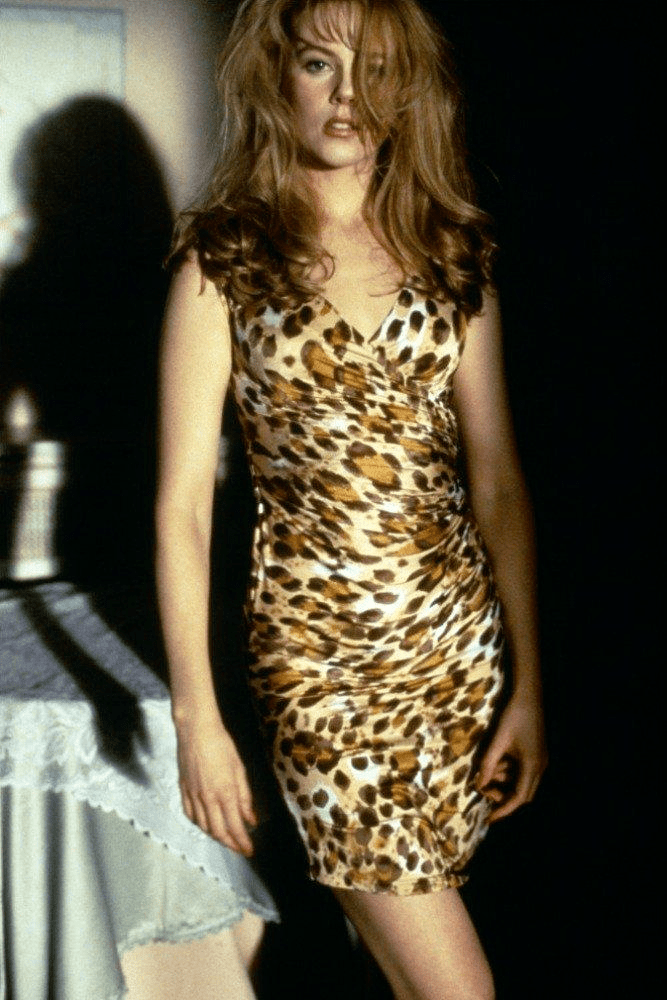
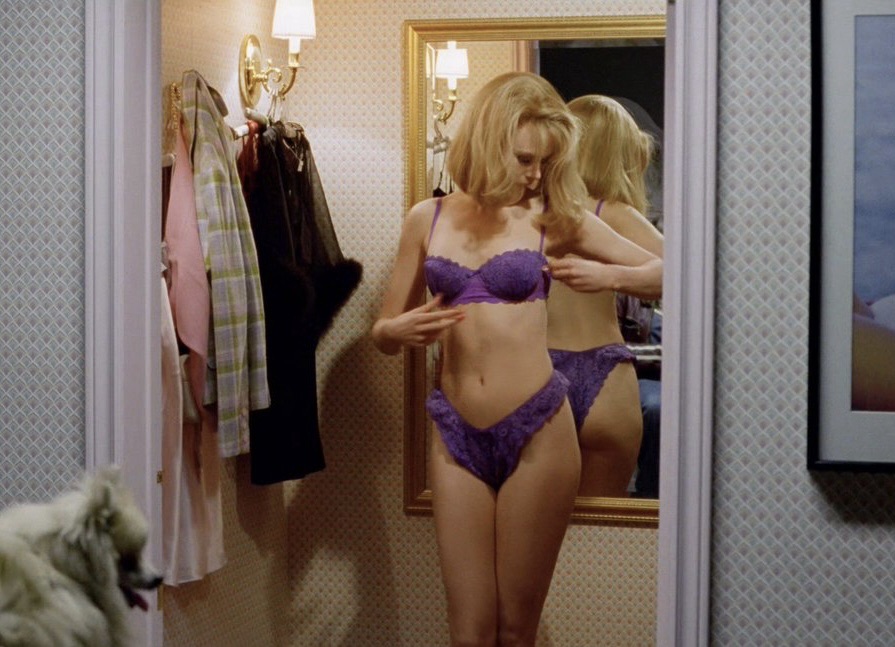
With Suzanne. To Die For viciously satirizes our national/global obsession with becoming famous. Not content to play housewife to her blue collar, middle-class husband, local weather girl Suzanne dreams of hitting the big time as a major news anchor. As unstable as she is smoking hot, Suzanne hatches a plan to remove her husband from the picture, thus clearing her path to stardom. Using her body and sex, Suzanne influences an impressionable high schooler with a crush on her to murder her husband. An adaptation of the Pamela Smart story, To Die For is a scathing satire that seems even more relevant in today’s internet influencer era.
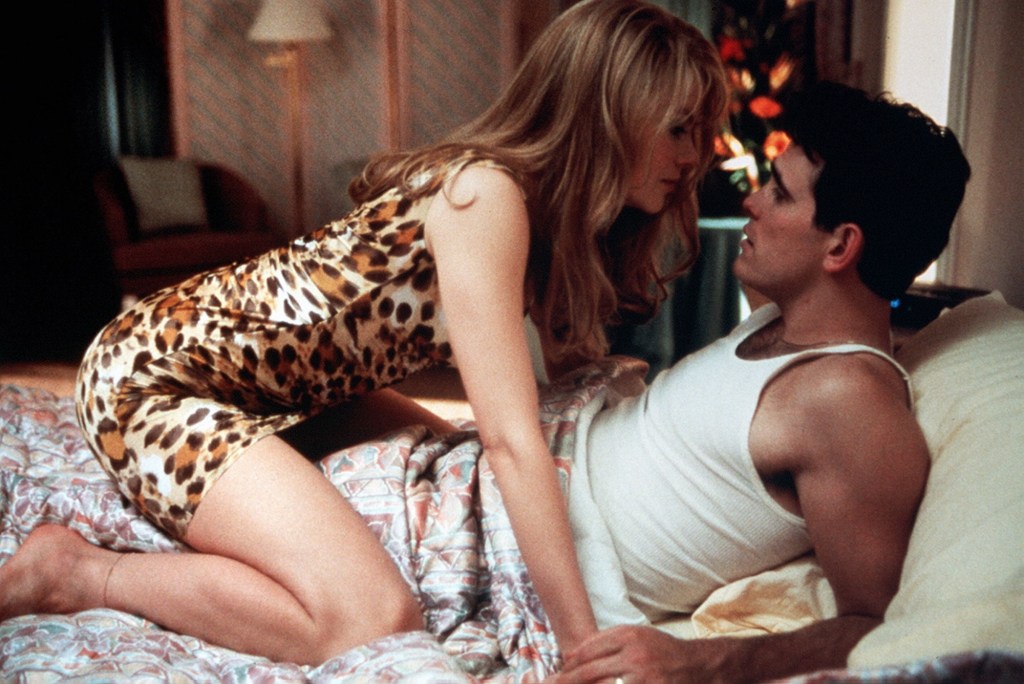
As Suzanne, Kidman gives one of the most ferocious performances of the decade. She rightly won the Golden Globe that year, blowing away the competition with a searing, committed performance that impresses as much or more when viewed today, through the prism of her career up to this point. Mick LaSalle of the San Francisco Chronicle accurately noted, “Kidman lets you see the calculation, the wheels turning, the transparent efforts to charm that succeed in charming all the same … her beauty and magnetism are electric. Undeniably she belongs on camera, which means it’s equally undeniable that Suzanne belongs on camera. That in itself is an irony, a commentary or both.”

In Nicole Kidman: Anatomy of an Actor (Tylski, Cahiers du Cinema, 2016), Alexandre Tylski says, “To Die For arrived at just the right time for Kidman.” For several years in the early 1990s, “the actress had been settling for unambitious roles, playing characters whose existence is strictly determined by the men around her.” Teaming with a hot director—Van Sant had already made two bona fide 1990s classics with Drugstore Cowboy and My Own Private Idaho—Kidman found the part she needed to take charge of her career. In many ways, To Die For is the template that she has returned to frequently ever since, as she’s consistently played complex women in challenging films for auteur directors.

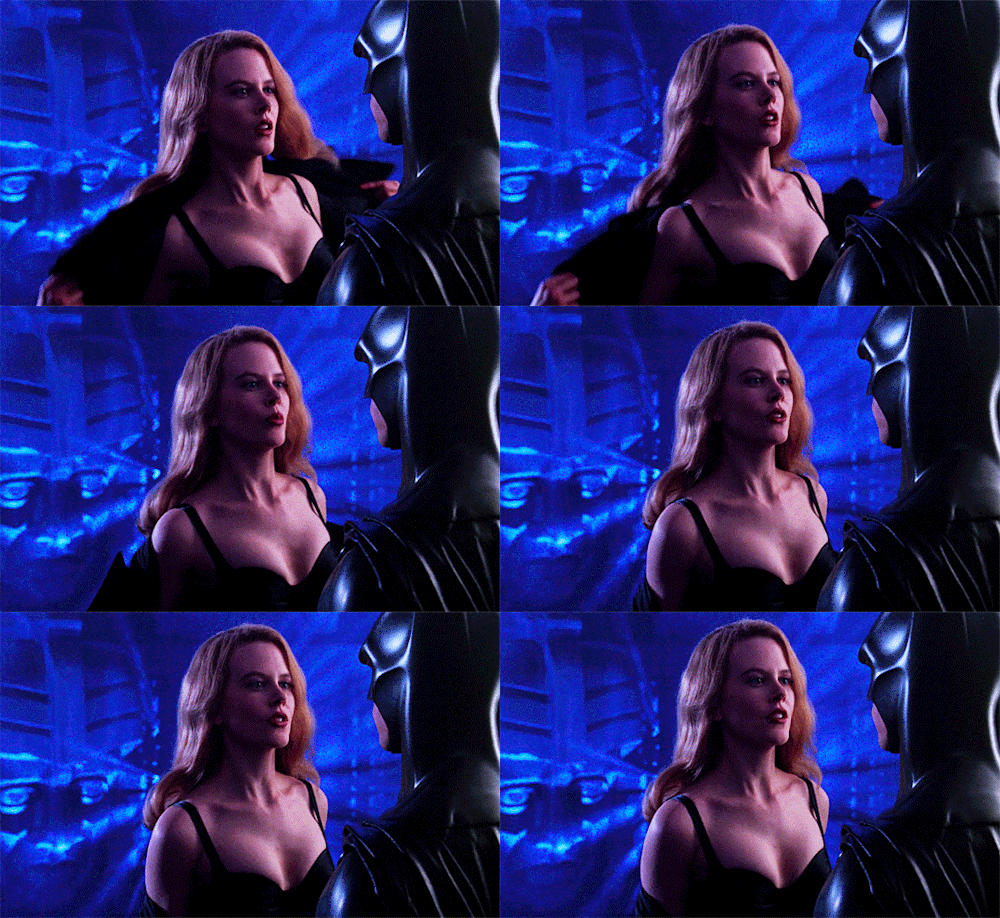
Much of what we know and think of Kidman now was shaped by her incendiary performances in 1995, in both To Die For and Batman Forever. Her work in the former is rightly celebrated as among her best, but there’s no denying her erotically charged turn as the perpetually horny Chase Meridian in the former. It’s a silly film, not nearly as excellent a cinematic achievement as To Die For, but is a total blast and Kidman chews the scenery like she hasn’t eaten in weeks. Watching her practically orgasm while just talking to Batman—that’s how lustful she is for the Caped Crusader—is a laugh riot, and also incredibly sexy. For multiple reasons, both of her sensually charged performances in ‘95 hold a special place in my personal film lover’s pantheon. What a year Nicole had in 1995. For my money, that was the year she became the stellar actress and movie superstar we know her to be today.






 The Starfire Lounge
The camera loved her and she had the acting chops to pull off some really good performances. It’s a rare combination you just don’t see any more.
LikeLiked by 1 person
Talent and beauty both in full bloom. Be still my movie-loving heart.
LikeLiked by 1 person